DxLine Home

Category

Patient Education

25 articles

Forty Minutes Past the Hour: What the Waiting Room Measures Before Your Doctor Does

Forty Minutes Past the Hour: What the Waiting Room Measures Before Your Doctor Does

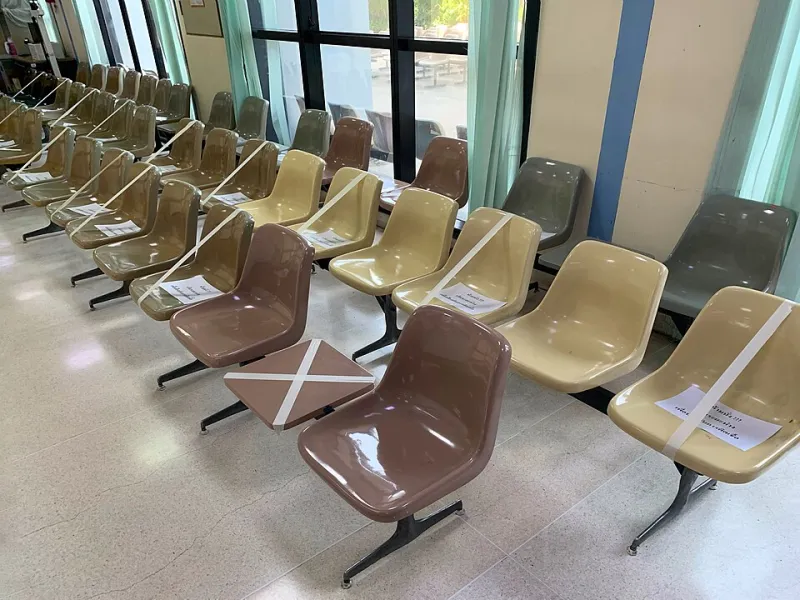
Americans collectively surrender billions of hours to waiting rooms each year, yet those minutes rarely appear anywhere in the medical record. This investigation examines what pre-appointment waiting does to diagnostic accuracy, patient disclosure, and trust — and argues the wait itself deserves clinical recognition.

Reassurance, in Writing: The Clinical Phrases That Mean Less Than You Think

Reassurance, in Writing: The Clinical Phrases That Mean Less Than You Think

Words like 'benign,' 'unremarkable,' and 'watch and wait' often land as good news, but their clinical meaning is narrower — and more conditional — than most patients realize. This decoder breaks down what each phrase actually promises, and what follow-up it quietly obligates you to request.

Before You Commit to the Appointment: A Patient's Right to Know

Before You Commit to the Appointment: A Patient's Right to Know

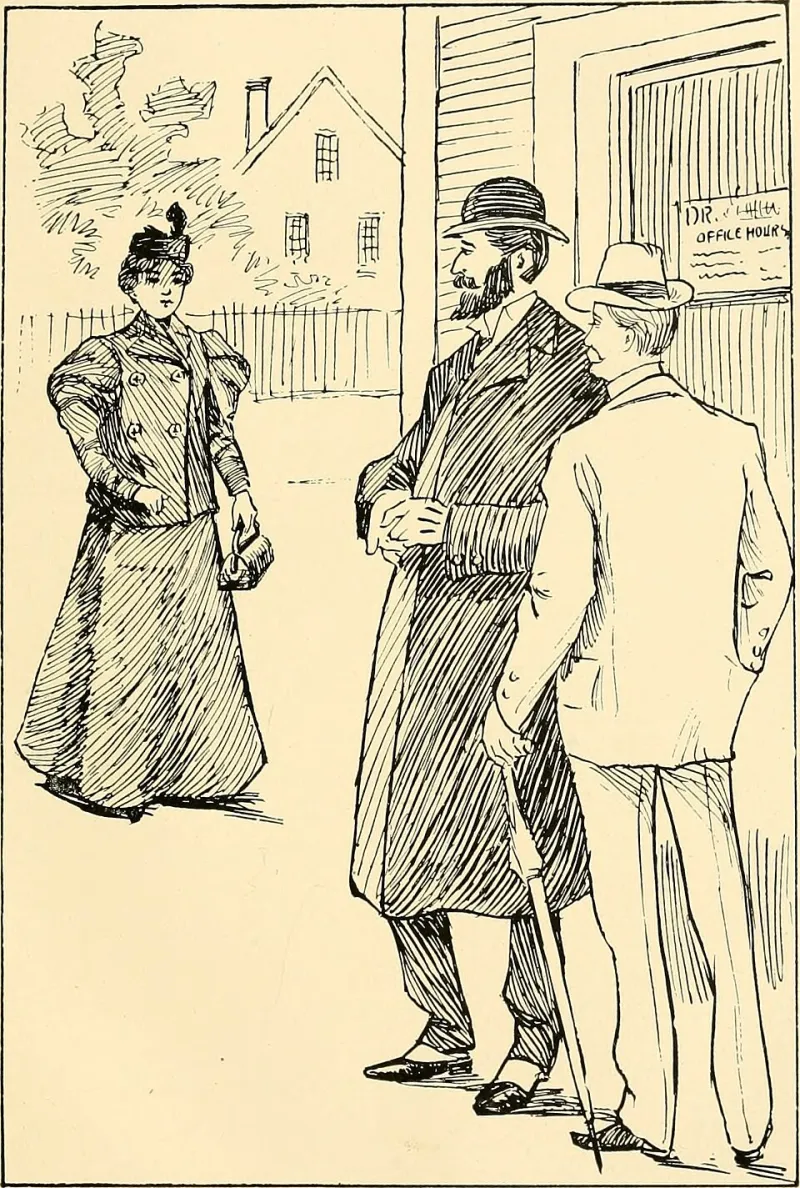
Booking a doctor's appointment in the US is rarely treated like a purchase, yet it often costs as much as one. This checklist outlines what patients can lawfully request from a practice before committing: pricing, credentials, wait times, and network status.

Sorted by Severity: What Triage Nurses Know Before You Sit Down

Sorted by Severity: What Triage Nurses Know Before You Sit Down

The order patients are called back in an emergency department is not a queue and not a favoritism contest—it is a rapid clinical sorting system. Here is how acuity scoring works in US hospitals, why a short wait can be reassuring, and how to advocate for yourself without undermining it.

Inherited Silence: What Your Missing Family History Costs a Diagnosis

Inherited Silence: What Your Missing Family History Costs a Diagnosis

When a clinician asks whether cancer or heart disease runs in your family, 'I don't know' is a more common answer than most patients realize. Here is how family history actually shapes a diagnostic workup—and what adoptees, donor-conceived adults, and others with incomplete records can do to fill the gaps responsibly.

Typed at 2 A.M., Sold by Sunrise: The Afterlife of Your Symptom Searches

Typed at 2 A.M., Sold by Sunrise: The Afterlife of Your Symptom Searches

Before most Americans describe a symptom to a clinician, they describe it to a search bar—and that confession rarely stays private. This piece traces where health queries travel after you hit enter, and how to research symptoms without surrendering your medical biography to data brokers.

Ghost Notes: The Diagnosis That Follows You From Visit to Visit

Ghost Notes: The Diagnosis That Follows You From Visit to Visit

Electronic health records were built to save time, but the copy-forward function has quietly created a new patient hazard: the inherited diagnosis. This investigation explains how unverified language lodges itself in your chart—and what you can do to evict it.

Limbo, Lab-Coated: Life in the Gap Between a Test and Its Answer

Limbo, Lab-Coated: Life in the Gap Between a Test and Its Answer

The interval between a blood draw and a diagnosis is one of medicine's least examined experiences. We map the real timelines behind common labs and scans, explain why some results crawl, and offer grounded strategies for surviving the wait.

The Camera Doesn't Palpate: Where Telehealth Diagnosis Reaches Its Limit

The Camera Doesn't Palpate: Where Telehealth Diagnosis Reaches Its Limit

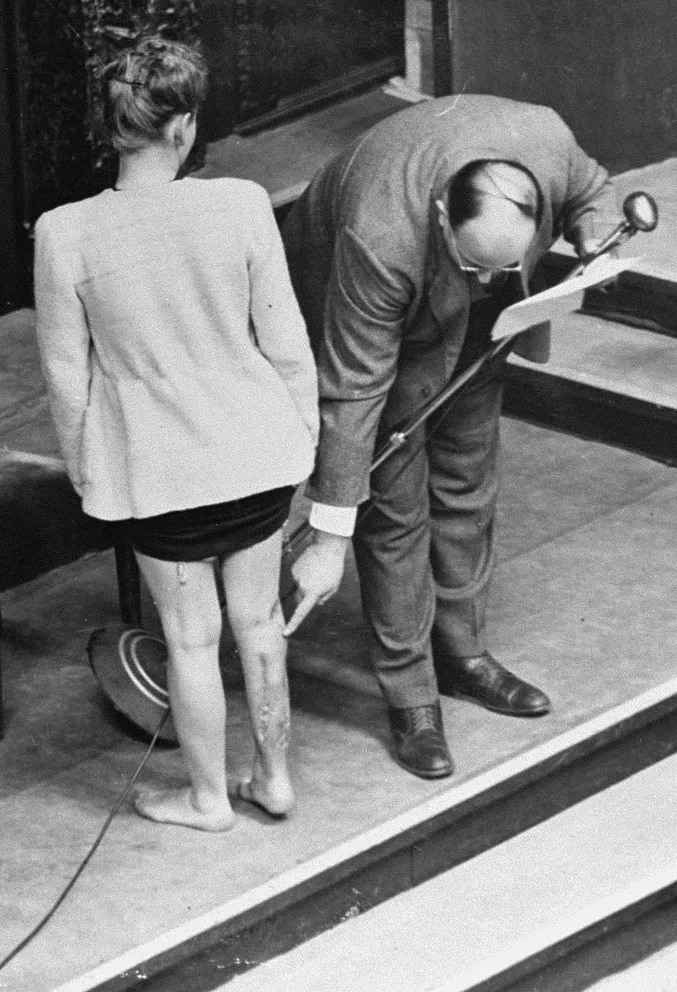
Virtual care has earned a permanent place in American medicine, but a video call cannot listen to your heart, press on your abdomen, or feel the lump you noticed last week. This piece maps the diagnostic blind spots of telehealth and lists the symptoms that should always prompt an in-person visit.